In high-risk work environments, especially those involving electrical systems, emergencies can happen without warning. Workers are often exposed to hazards that require immediate action to prevent serious injury or loss of life. This is where LVR CPR training plays a critical role. It provides individuals with the information and confidence needed to respond effectively in life-threatening situations. By combining low-voltage rescue techniques with cardiopulmonary resuscitation skills, this training ensures that workers are prepared for real-world emergencies.
Understanding Emergency Readiness
One of the most important aspects of LVR CPR training is building a strong sense of emergency readiness. Many people freeze or panic during unexpected incidents because they lack the proper training. This program helps individuals understand how to stay calm under pressure and take quick, decisive action.
Participants learn how to assess a situation safely before intervening. This includes identifying electrical hazards, isolating power sources, and ensuring that the environment is safe for both the rescuer and the victim. This awareness is essential in preventing further harm while responding to an emergency.
Developing Practical Rescue Skills
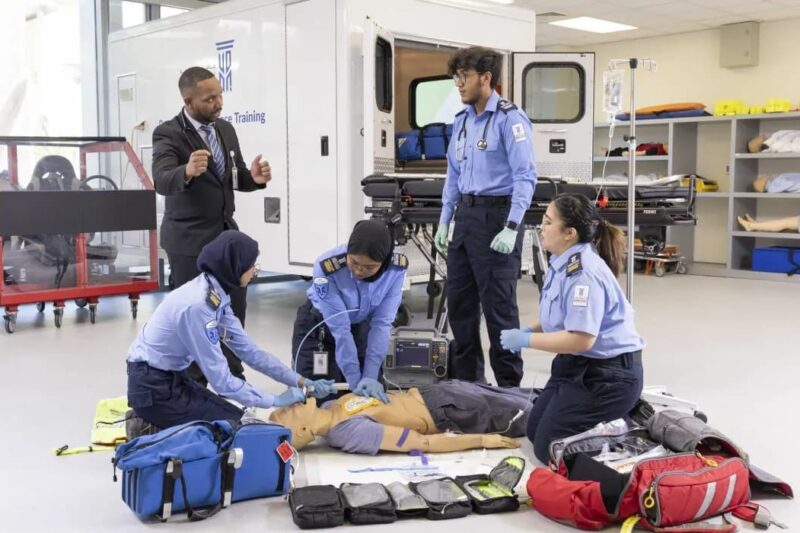
CPR/LVR training focuses heavily on hands-on learning. Instead of just theoretical knowledge, participants practice real-life scenarios that mimic workplace accidents. This practical approach helps individuals become familiar with the steps required during an emergency.
For example, trainees learn how to safely remove a person from a live electrical source using proper rescue techniques. These skills are critical in situations where seconds can make a difference. By practising these actions repeatedly, individuals build muscle memory, allowing them to respond quickly and efficiently when faced with a real incident.
Mastering CPR Techniques
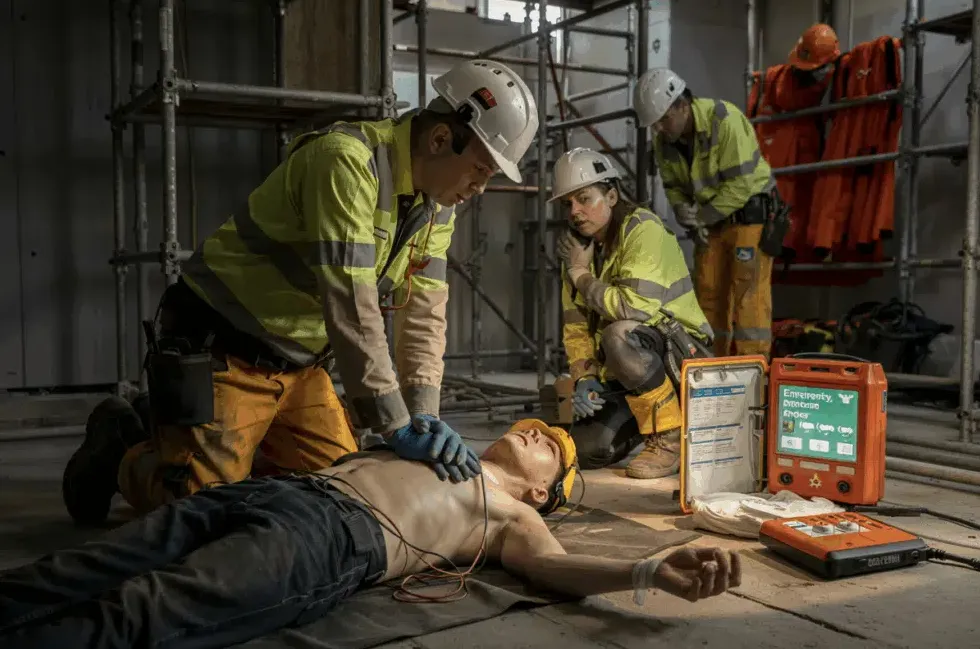
Cardiopulmonary resuscitation is a life-saving skill that forms a core part of the training. During emergencies such as electric shock, victims may experience cardiac arrest or breathing difficulties. Knowing how to perform CPR correctly can significantly increase the chances of survival.
LVR CPR training teaches participants how to deliver chest compressions and rescue breaths effectively. It also covers how to recognise signs of cardiac arrest and when to begin CPR. With regular practice, individuals gain confidence in their ability to perform these techniques accurately in high-stress situations.
Improving Decision Making Under Pressure
Real-world emergencies often require quick thinking and strong decision-making skills. CPR/LVR training prepares individuals to handle these situations by teaching them structured response methods. Instead of guessing what to do, participants follow clear steps that guide their actions.
This structured approach reduces hesitation and helps individuals act with confidence. Whether it is deciding when to perform CPR or how to manage multiple risks, the training ensures that participants are mentally prepared to make the right choices.
Enhancing Workplace Safety Awareness
Another key benefit of LVR CPR training is the improvement of overall safety awareness. Participants develop a better grasp of workplace hazards and how to avoid accidents before they happen. This proactive mindset contributes to a safer working environment for everyone.
Workers who have completed this training are more likely to identify risks early and take preventive measures. This not only reduces the likelihood of emergencies but also ensures that if an incident does occur, there are trained individuals ready to respond immediately.
Building Confidence In Emergency Response
Confidence is essential when dealing with emergencies. Without it, even trained individuals may hesitate or doubt their actions. LVR CPR training helps build this confidence through repeated practice and scenario-based learning.
By simulating real-life situations, participants become comfortable with the process of responding to emergencies. This familiarity reduces fear and allows them to focus on helping the victim. Confidence also encourages individuals to take initiative, which can be crucial in saving lives.
Supporting Team Coordination
In many workplaces, emergencies are handled by teams rather than individuals. LVR CPR training emphasises the importance of communication and coordination during rescue operations. Participants learn how to work together, assign roles, and support each other during critical moments.
This teamwork approach ensures that responses are organised and efficient. When everyone understands their responsibilities, the chances of a successful outcome increase significantly.
Conclusion
LVR CPR training is more than just a safety requirement. It is a vital skill set that prepares individuals for real-world emergency situations. From developing practical rescue techniques to improving decision-making and building confidence, this training equips workers with the tools they need to respond effectively. In high-risk environments, being prepared can make the difference between life and death, and LVR CPR training ensures that individuals are ready when it matters most.