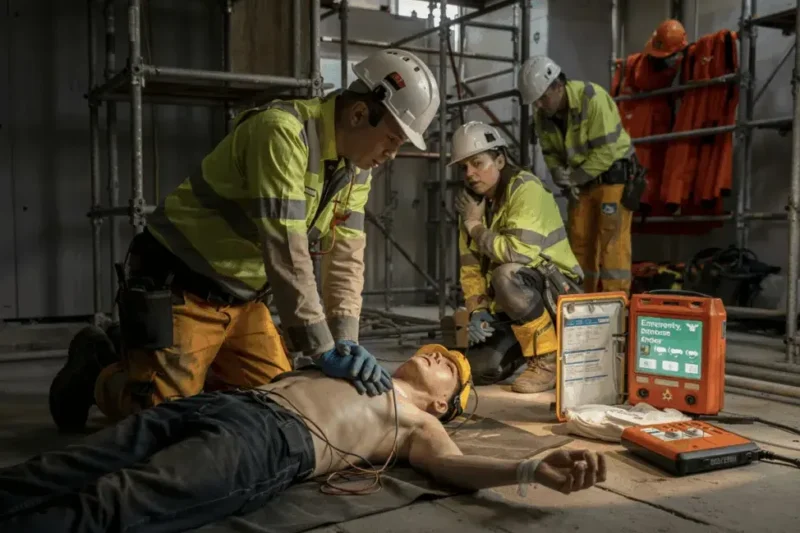
Medical emergencies can happen anywhere, from homes and schools to workplaces and public areas. When people nearby understand how to react in those moments, the chances of providing timely help increase significantly. Community members who take part in first aid training Darwin programs acquire important knowledge that equips them to react composedly and skillfully when someone needs immediate assistance. Training builds awareness, develops practical abilities, and strengthens the overall safety of neighbourhoods and public spaces.
The Value Of Immediate Community Support
In many emergency situations, the first people present are not medical professionals but everyday individuals. These bystanders often play an important role in providing early support before trained responders arrive. When members of a community understand basic first aid principles, they can assist injured or ill individuals during those crucial early moments.
Learning how to manage common emergencies such as choking, severe bleeding, or fainting allows people to act with confidence rather than hesitation. Communities that encourage first aid education create an environment where more individuals are prepared to offer assistance when unexpected incidents occur.
Building Confidence Among Community Members
One of the key outcomes of first aid education is the confidence it gives people to step forward during emergencies. Many individuals want to help when someone is injured, but feel uncertain about what actions to take. Training replaces that uncertainty with practical knowledge and clear procedures.
Programs that focus on first aid Darwin residents often attend, which include hands-on learning experiences. These sessions allow participants to practice responding to simulated incidents in a supportive setting. By practising different scenarios, learners become more comfortable applying their skills in real situations.
Strengthening Safety In Public Spaces
Public places such as parks, schools, sporting venues, and community events can sometimes involve unexpected risks. Having trained individuals present during these activities increases the likelihood that immediate care will be available if someone becomes injured or suddenly unwell.
First aid training equips community members with the ability to recognise medical problems quickly and take appropriate action. For example, knowing how to assist someone experiencing breathing difficulties or how to control bleeding can help stabilise a situation while emergency services are contacted.
Encouraging Preparedness Through Education
Education plays a major role in improving emergency preparedness. Training programs teach individuals how to recognise warning signs and evaluate the seriousness of an incident. Participants learn how to stay calm, assess the environment, and provide assistance safely.
Many people choose to attend a Darwin first aid course as a way to gain these practical skills and contribute to the safety of those around them. When more individuals within a community understand emergency response techniques, the entire community becomes better prepared to handle unexpected medical situations.
Promoting Responsibility And Awareness
First aid training also encourages individuals to become more aware of potential hazards in their surroundings. People who understand emergency care often develop stronger observation skills and recognise situations that may lead to accidents.
For example, they may notice unsafe equipment, crowded conditions, or individuals showing signs of illness. By recognising these risks early, trained community members can take steps to prevent incidents before they escalate into serious emergencies.
Supporting Families And Local Networks
First aid knowledge is particularly valuable within families and local social networks. Parents, caregivers, teachers, and volunteers frequently interact with children, elderly individuals, and people with medical conditions who may require assistance during emergencies.
When these community members understand first aid principles, they are better equipped to provide immediate support if someone experiences injury or illness. Their ability to respond quickly can help protect vulnerable individuals while professional medical help is on the way.
Creating Safer And More Resilient Communities
Communities become stronger when people work together to support one another during difficult situations. First aid education encourages cooperation, awareness, and readiness to assist others when emergencies arise.
As more individuals develop these skills, the community becomes more resilient and capable of responding to medical incidents effectively. First aid training not only benefits the individual who learns the skills but also contributes to the safety and well-being of everyone around them.